In this article
A car without buying it, without a loan and without the hassle of insurance or servicing, for just one monthly payment. That is how car subscription has been promoted for several years. Five years ago, consultancies in Europe predicted rapid growth for it. Today it turns out that the market is growing, but much more slowly than expected, and some manufacturers are backing away from the model. We explain how subscription differs from leasing, what public estimates say about its size and who it may make sense for.
What car subscription is and how it differs from leasing
With a subscription, you do not own the car. You pay a fixed monthly amount and, after the agreed period, you return it or extend the contract. The consultancy Roland Berger describes it as the most flexible form of “car as a service”: you have permanent access to a specific vehicle without a long-term commitment, and besides the car, the monthly fee covers insurance, maintenance and roadside assistance.
In its overview, the German automobile club ADAC states that the package usually includes everything except fuel or charging: registration, third-party liability and comprehensive insurance, taxes, servicing and wear and tear, roadworthiness tests, seasonal tyres and an agreed monthly mileage allowance. According to the club, contracts can be taken out for as little as 1, 3 or 6 months and last at most about two years. Some providers let you swap the car for another one or pause the subscription temporarily.
Operating lease works in a similar way, and you also return the car at the end. The difference lies mainly in the length of the commitment and the scope of services: a lease is usually signed for several years and need not include insurance or servicing. If you buy the car or finance it with a loan, the car is yours, so you also bear the risk of what you will later sell it for.
| Option | Who owns the car | Length of commitment | What the monthly amount covers |
|---|---|---|---|
| Purchase or loan | you | depends on the loan, you keep the car | only the instalment, you pay other costs separately |
| Operating lease | the leasing company | usually several years | use of the car, services as per contract |
| Subscription | the provider | from 1 month to about 2 years | car, insurance, servicing, tyres, mileage allowance |
How big the market is: estimates versus reality
No pan-European statistic that we found publicly reports the exact share of subscription in new car registrations in the EU. The annual report of Leaseurope, the European leasing federation, does not list it separately, and registration data from the manufacturers' association ACEA are broken down by powertrain, not by type of financing. We therefore work with estimates by consultancies, and they should be read as estimates, not as a count of contracts.
In 2021, Deloitte estimated in its base scenario that in 2025 subscription would account for 8% of new car registrations in relevant customer segments of the five largest markets (Germany, France, Italy, Spain and the United Kingdom). According to the firm, a financing volume of more than 22 billion euros a year was expected to shift to subscription.
A newer Roland Berger study from July 2025 is more sober. According to it, the entire leasing and subscription market in six key countries (the Netherlands was added to the five mentioned) is set to grow by about 8% a year and in 2030 reach approximately 94 billion euros. Subscription is growing faster, at around 25% a year compared with roughly 7% for leasing, but even in 2030 it is expected to make up only about 8% of the European leasing and subscription market. According to the study, most pure subscription providers are not yet profitable.
For comparison: in Europe, leasing is a common way to get a car. According to Leaseurope, in 2025 new leasing business of its members reached a volume of 464 billion euros and vehicles made up 74%. A 2023 Dataforce study states that in five large markets, leased cars already made up a third of all new registrations. Next to that, subscription is still a small segment.
Why subscription is not growing as fast as expected
The main reason is price. In April 2025, the trade portal Fleet Europe summarised that, according to a 2024 Deloitte study, 31% of European consumers are open to subscription, but its price puts them off. Examples from several countries show that a subscription for a comparable car costs noticeably more per month than a lease with similar services. According to a study by the German provider Fleetpool, cited by the portal, only about 30% of customers extend their subscription after the first term.
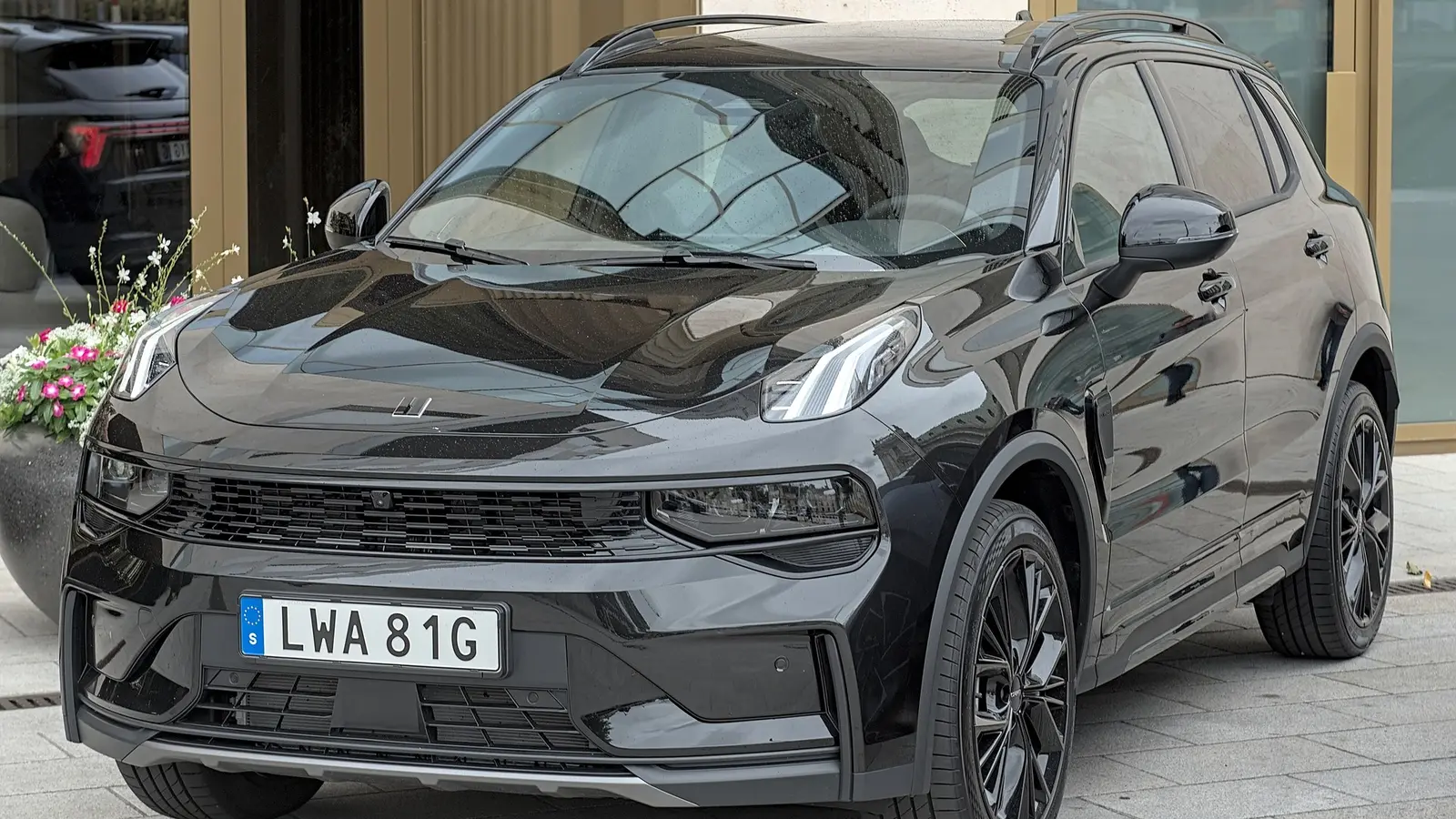
The portal also states that Audi and BMW are scaling back their subscription offers due to weak demand. Another strong signal comes from Lynk & Co: in November 2025, the brand announced that in 2026 it will gradually phase out its subscription model and focus on sales through a dealer network.
Roland Berger also points to another problem: falling residual values of returned cars, especially electric cars, are a financial burden for leasing and subscription providers. Yet this is exactly the risk that subscription took off the customer, so providers factor it into the price.
What to check in the contract: mileage, fees and withdrawal
- Mileage allowance. There is no single European standard; each provider sells its own monthly packages. Estimate your real mileage including holidays and find the rate per extra kilometre in the price list.
- One-off fees. ADAC warns that fees for start-up, delivery, collection or return of the car, surcharges for an additional driver, an excess in the event of an insurance claim and charges for damage on return may be added to the monthly amount.
- Restrictions on use. Contracts may prohibit driving to certain countries, smoking and carrying animals, as well as modifications to the car, and they often limit the drivers to the customer and household members. If you travel around Europe, check the list of permitted countries.
- Withdrawal from the contract. In December 2023, the Court of Justice of the EU (joined cases C-38/21, C-47/21 and C-232/21) ruled that leasing a car without an obligation to buy is a service contract and that, for a contract concluded at a distance, the exemption from the right of withdrawal for car rental with a specified period may apply to it. According to the Court, this exemption is not limited to short-term rental. So when you subscribe online, do not automatically count on 14 days to think it over, and read what the contract offers you.
- Consumer credit. According to the European Commission, the new EU consumer credit rules applying from 20 November 2026 do not cover hire or leasing where you are not obliged to buy the item. However, the ban on unfair terms applies: standard terms must be fair and understandable, and an unfair term is not binding on you.
Who car subscription suits
Subscription pays off mainly when you need a car for a limited time: for a few months after moving house, during a project in another city or while you wait for a car you have ordered. ADAC also recommends it to those who want to try an electric car without the risk of what they will later sell it for. The advantages are quick availability and almost no paperwork.
If you plan to drive one car for several years, buying or leasing usually works out cheaper, according to ADAC. Before signing, therefore, calculate the total cost over the whole period of use, not just the monthly amount, and compare it with a lease with the same mileage and similar services. The answer to the question in the headline is therefore clear for now: subscription in Europe is growing, but it remains a complement to leasing and buying, not a replacement for them.
Key takeaways
- We found no pan-European statistic on the share of subscription in new car registrations; Leaseurope does not report it separately and only estimates by consultancies are available.
- According to Roland Berger, subscription is set to grow by about 25% a year, yet in 2030 make up only about 8% of the European leasing and subscription market; that market is expected to reach around 94 billion euros in six key countries.
- In 2021, Deloitte expected subscription to account for 8% of new car registrations in relevant segments of the five largest markets in 2025; meanwhile, Audi and BMW are scaling back their offers and Lynk & Co is phasing subscription out in 2026.
- In 2023, the Court of Justice of the EU ruled that the exemption from the right of withdrawal for car rental may also cover long-term leasing without an obligation to buy, so do not automatically count on 14 days when subscribing online.
- Subscription makes sense for a few months or for trying out an electric car; for use over several years, buying or leasing usually works out cheaper.
FAQ
- How does car subscription differ from operating lease?
- In both cases you do not own the car and you return it at the end. A subscription can also be taken out for 1, 3 or 6 months, and the monthly amount usually includes insurance, servicing, tyres and a mileage allowance. An operating lease is usually signed for several years and the services it includes depend on the contract.
- What share of the car market in the EU does subscription have?
- We did not find a pan-European statistic. Roland Berger estimates that in 2030 subscription will make up about 8% of the European leasing and subscription market. An older Deloitte estimate expected 8% of new car registrations in relevant segments of the five largest markets for 2025.
- Can I withdraw from a subscription concluded online within 14 days?
- Not automatically. Directive 2011/83/EU excludes car rental with a specified period of performance from the right of withdrawal, and in 2023 the Court of Justice of the EU ruled that this may also apply to long-term leasing without an obligation to buy. What counts, therefore, is the contract, which you should read before signing.
- Who does car subscription pay off for?
- Mainly for those who need a car for only a few months or want to try an electric car without the risk of losing value. For use over several years, buying or leasing usually works out cheaper, according to ADAC.
Comments
No comments yet. Be the first.
Add a comment
Your comment appears once the editors approve it. We never publish your email.
Do you sell cars?
A website for your dealership with a stock list that syncs itself from the listing portals. In 8 languages, ready in minutes.
30 days free, no card


