In this article
The Škoda Octavia is one of the most widespread family cars in Europe. According to Wikipedia, Škoda had built almost 7.9 million units of the modern Octavia by August 2026, so classified ads include every generation, body style and engine. That very choice is the trap: two estates that look identical can have a completely different engine, gearbox and history. This guide compares the second, third and fourth generations, explains which engines and gearboxes tend to have weak points, and advises what to check at a viewing.
Three generations at a glance
Three generations mainly matter on the used car market today. The first (1996 to 2010) is, given its age, more for enthusiasts, so this guide leaves it out.
| Generation | Production | Technical basis | What the statistics say |
|---|---|---|---|
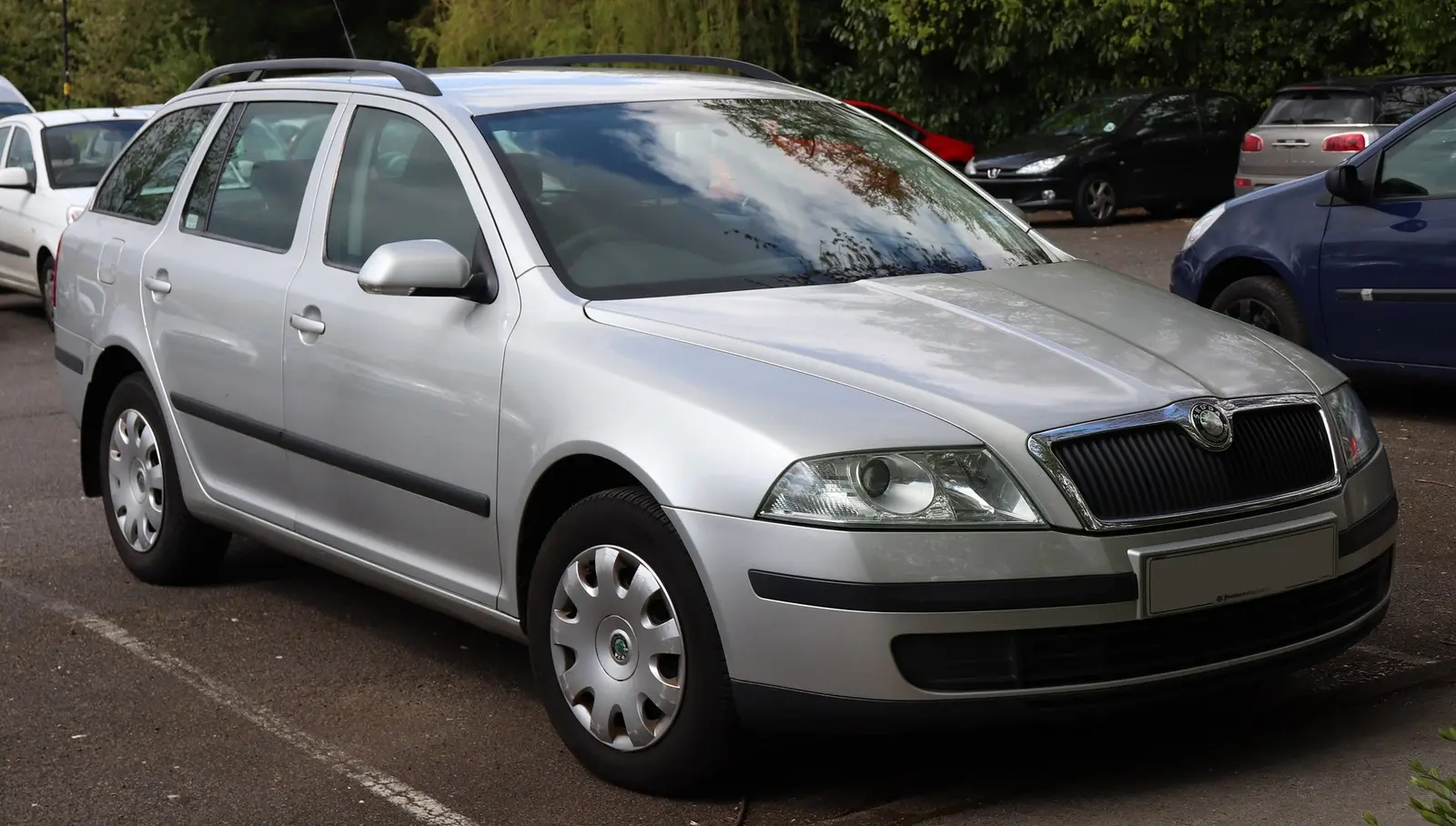
| Octavia II (1Z) | 2004 to 2013, facelift 2009 | PQ35 platform, related to the VW Golf V | slightly worse than average at roadworthiness tests, upper half of the middle in the ADAC breakdown statistics |
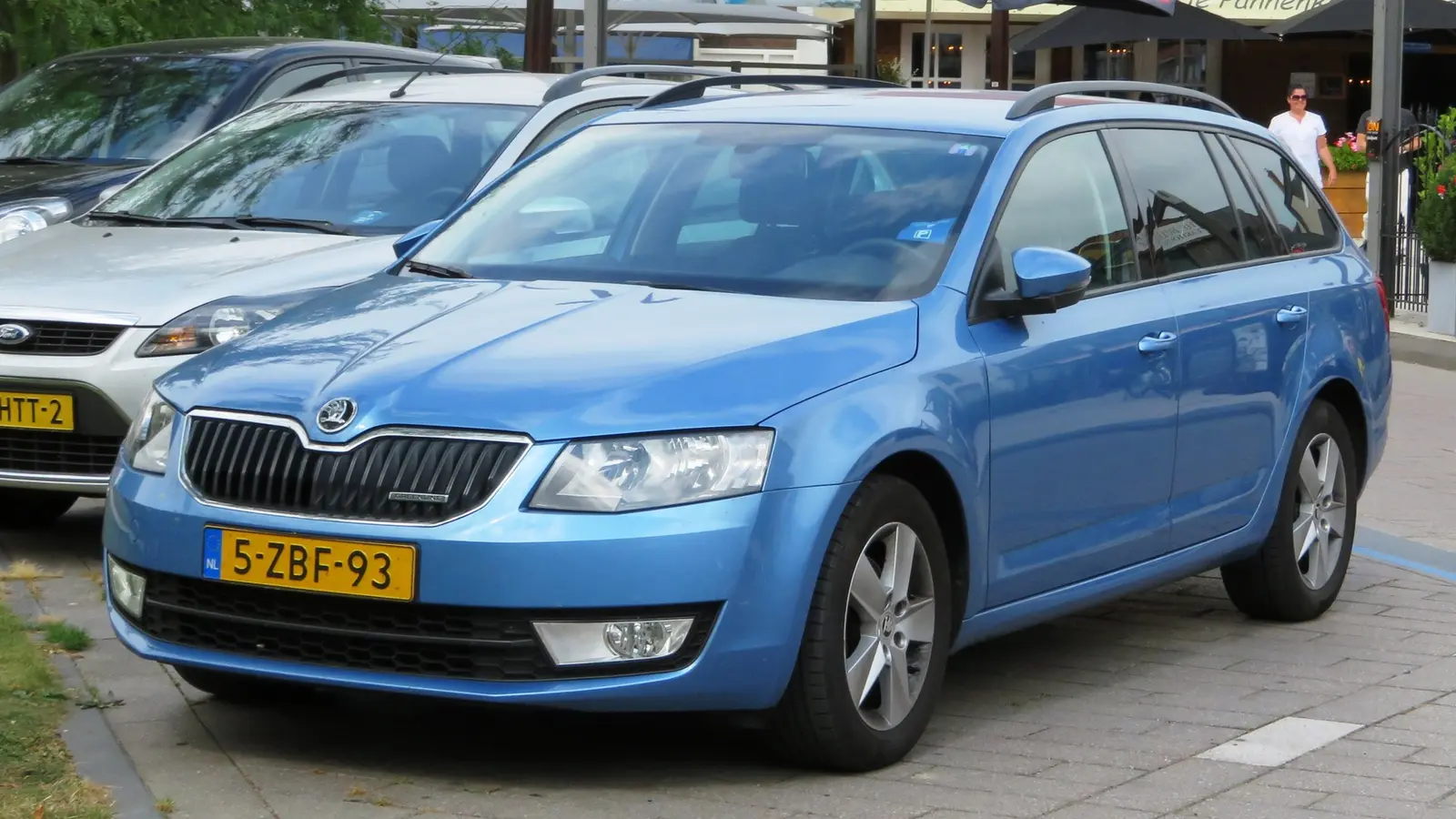
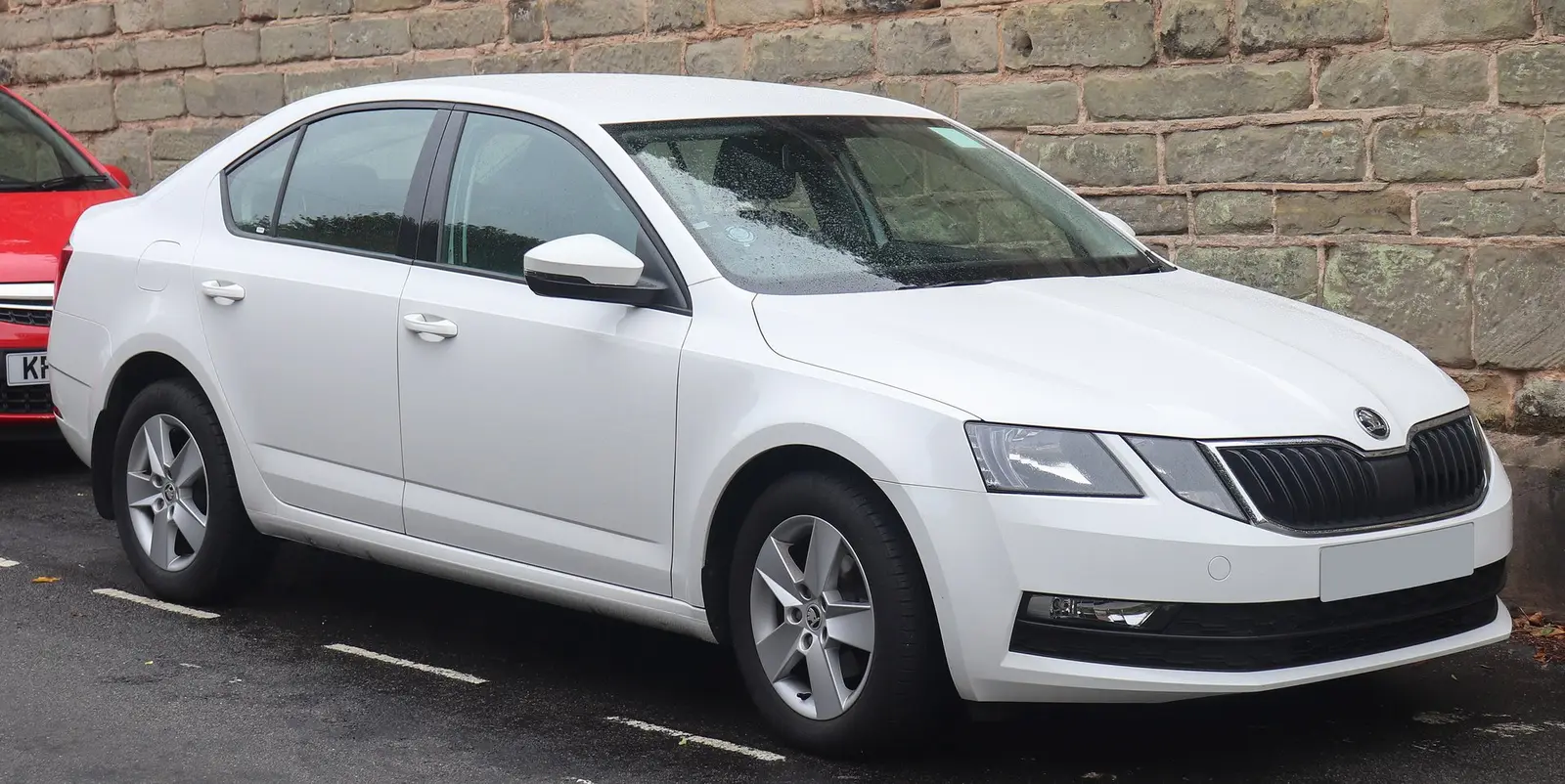
| Octavia III (5E) | 2013 to 2020, facelift 2017 | modular MQB platform | slightly better than average at roadworthiness tests, good in the ADAC breakdown statistics |
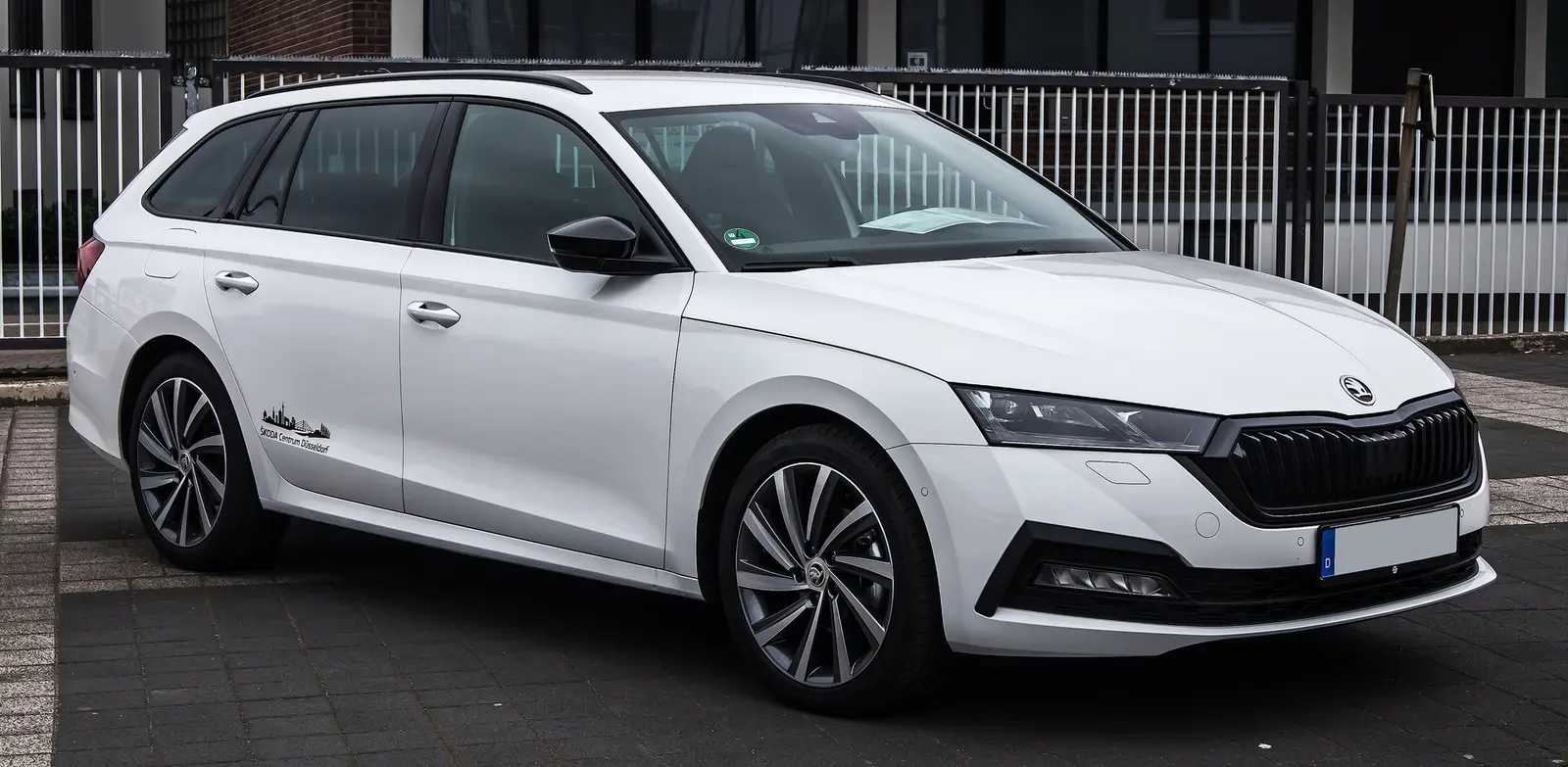
| Octavia IV (NX) | from 2020, facelift 2024 | MQB Evo platform | short history; the main cause of breakdowns is the starter battery |
The ratings in the table come from two large statistics. The ADAC motoring club records roadside assistance call-outs per 1,000 cars by year of registration, while the TÜV Report tracks the results of periodic roadworthiness tests. Both are compiled in Germany, but they cover the same cars that are sold across the EU, so they are a good guide elsewhere too. One more piece of context is needed. The Octavia is often a company car for long distances. According to the TÜV Report 2026, as summarised by Auto Bild magazine, the Octavia arrives at its first test with an average of 70,000 km, while the average for all cars is 45,000 km.
Octavia II (2004 to 2013): cheap, but choose the engine carefully
The second generation is today the cheapest way to a large boot. ADAC describes it as a solid, long-lasting car, but warns of broken springs and worn shock absorbers at high mileages and of frequent lighting faults. According to ADAC, the most common cause of roadside breakdowns was the ignition switch, especially on cars from 2006 to 2011.
- Petrol 1.2 TSI and 1.4 TSI offer a good balance of power and consumption, but ADAC warns of sensitive timing chains. At a viewing, listen for engine rattle after a cold start. If in doubt, ADAC advises choosing a car whose chain has already been replaced.
- Petrol 1.8 TSI and 2.0 TFSI/TSI (RS) are fast, but according to ADAC they tend towards increased oil consumption. Ask for records of top-ups and check the oil level.
- Naturally aspirated 1.4 has little power according to ADAC, but causes few problems in everyday use. A better fit for the car is the 1.6 with 75 kW (102 hp).
- Pumpe-Düse diesels 1.9 TDI and 2.0 TDI (up to 2009) are noisier, but ADAC considers them exceptionally durable, especially the 1.9 TDI with 77 kW (105 hp).
- Common rail diesels 1.6 TDI and 2.0 TDI (from 2009) run more smoothly. ADAC states that they must have had the mandatory software update to reduce nitrogen oxide emissions. It recommends the 2.0 TDI with 103 kW (140 hp) as the most suitable engine.
For diesels of this generation, ADAC expects the timing belt to be replaced every 150,000 km. On an Octavia II with around 200,000 km, the replacement should therefore be backed by an invoice.
Octavia III (2013 to 2020): the most sensible compromise
For most buyers the third generation offers the best balance of price and risk. In its summary of the TÜV Report 2026, Auto Bild writes that, compared with the average, the Octavia III comes out best of the three generations and that it has the most durable wheel suspension. ADAC rates its reliability in the breakdown statistics as good. As typical faults it lists the water pump on cars from 2013 and the boost pressure control on cars from 2015.
- 1.2 TSI and 1.0 TSI are quiet and refined according to ADAC, but with a full load you would want more power.
- 1.4 TSI and 1.5 TSI are noticeably more responsive. ADAC calls the version with 110 kW (150 hp) and cylinder deactivation a good compromise between power and consumption. The 1.5 TSI replaced the 1.4 TSI in August 2017.
- 1.8 TSI and 2.0 TSI are more powerful but more expensive. For this generation Auto Bild warns of EA888 engines with increased oil consumption.
- Diesel 2.0 TDI with 110 kW (150 hp) is, according to ADAC, the most suitable for long distances and also the most common on the used car market. The basic 1.6 TDI with 90 hp is enough, but not with a full load.
Two specific things need checking. The first is the timing belt: for the petrol 1.0, 1.2, 1.4 and 1.5 TSI and for the third-generation diesels, ADAC expects it to be replaced at 210,000 km, while for the 1.8 and 2.0 TSI it does not list a belt change in the schedule. The second is the 1.5 TSI with a manual gearbox, whose owners complained of jerking when pulling away, the so-called kangaroo effect. According to the car-recalls.eu portal, franchised workshops have been updating the control unit software since the end of March 2018. This is a technical service measure, not a recall, so the owner does not receive a letter about it. With a used car it is therefore worth checking whether it has had the update.
Octavia IV (from 2020): modern, but more expensive
The fourth generation brought a digital instrument panel, a head-up display and, on some engines, 48-volt mild hybrid technology. Euro NCAP rated it in 2019 at 92% for adult occupant protection and 88% for child occupant protection. However, this rating expired on 1 January 2026.
The number of breakdowns in the ADAC statistics varies by model year: cars registered in 2021 had 19.5 breakdowns per 1,000 vehicles, cars from 2023 only 7.6. According to ADAC, the main cause of breakdowns for model years 2020 to 2023 was the starter battery, a cheap fault that is easy to check. Auto Bild adds failing infotainment on early cars and recalls over a fire risk and loose engine covers.
As for engines, according to Škoda the mild hybrid on the facelifted 1.5 TSI is offered only with the DSG automatic gearbox. The 2.0 TDI diesel with 85 kW has a manual gearbox, the 110 kW version a seven-speed DSG.
DSG gearbox and recalls
The automatic DSG is comfortable, but on a used car it deserves special attention. ADAC states that it was mainly the seven-speed DSG DQ200 with a dry clutch that had problems. According to ADAC, dry clutches are used with engines with torque of up to about 250 Nm. Most often the control mechatronics failed, but also sensors and clutches, and replacing the whole unit costs more than 2,000 euros. ADAC also mentions occasionally jerky pulling away with the DSG on the Octavia III. On the test drive, therefore, pull away repeatedly from a standstill and in slow traffic.
A topical issue is a large recall. According to ADAC on 2 October 2026, a bolt in the steering system can corrode after years of driving on salted roads and, in extreme cases, break off. The recall with the manufacturer code 48LS concerns Octavia, Superb, Karoq and Kodiaq models built from November 2015 to August 2026, a total of 1,719,030 Škoda cars worldwide. Replacing the bolt is free, but because of a shortage of new parts a second workshop visit may be necessary. When buying an Octavia III or IV, have it checked by VIN whether the recall has been carried out.
What to check at a viewing
- Mileage and its history: Directive 2014/45/EU requires Member States to make the reading from the previous roadworthiness test available to inspectors and to penalise odometer tampering. Compare the mileage with test reports and service records.
- Chassis: springs and shock absorbers are a weak point on all generations. Drive over bumps and listen for knocking.
- Engine: on second-generation TSI engines, chain rattle after starting; on the 1.8 and 2.0 TSI, oil consumption; on the third generation, according to Auto Bild, oil leaks too.
- Documents: timing belt replacement depending on the engine and, with a DSG, proof of gearbox servicing.
- Recalls: have a franchised workshop check by VIN that all of them have been carried out.
- Electrics: on the Octavia IV, the condition of the battery and up-to-date infotainment software.
For most families, the most sensible buy is an Octavia III with the 1.4 or 1.5 TSI or the 2.0 TDI and a documented service history. The Octavia II makes sense on a low budget if it has an undemanding engine and documented repairs. The Octavia IV is the most modern but also the most expensive, and the statistics have yet to show its long-term reliability.
Key takeaways
- For most families the most sensible buy is the Octavia III (2013 to 2020): of the three generations, it comes out best against the average at the roadworthiness test.
- The Octavia arrives at its first roadworthiness test with 70,000 km on average, while the average for all cars is 45,000 km; springs and shock absorbers are a weak point.
- On the Octavia II with the 1.2 and 1.4 TSI engines, stretched timing chains are a risk; on the 1.8 and 2.0 TSI, increased oil consumption.
- According to ADAC, replacing the DQ200 dual-clutch DSG with a dry clutch costs more than 2,000 euros; pull away repeatedly on the test drive.
- Recall 48LS for a corroded bolt in the steering affects 1,719,030 Škoda cars built from November 2015 to August 2026, including the Octavia.
FAQ
- Which generation of used Octavia carries the least risk?
- According to Auto Bild’s summary of the TÜV Report 2026, the Octavia III (2013 to 2020) comes out best compared with the average, and ADAC rates its reliability as good. What decides, however, is the specific engine and the car’s service history.
- Which Octavia III engine does ADAC recommend?
- Among the petrol engines, ADAC calls the 1.4 or 1.5 TSI with 110 kW (150 hp) and cylinder deactivation a good compromise between power and consumption. Among the diesels, it recommends the 2.0 TDI with 110 kW (150 hp) for long distances, which is also the most common on the used car market.
- How do I find out whether the steering recall affects an Octavia?
- The recall with the code 48LS concerns Octavia, Superb, Karoq and Kodiaq cars built from November 2015 to August 2026. Have a franchised workshop check by VIN whether the steering bolt has been replaced. The repair is free of charge.
Gallery
Comments
No comments yet. Be the first.
Add a comment
Your comment appears once the editors approve it. We never publish your email.
Do you sell cars?
A website for your dealership with a stock list that syncs itself from the listing portals. In 8 languages, ready in minutes.
30 days free, no card


