In this article
Are you buying a used car and want to know which models pass the roadworthiness inspection and which fail it? One of the best-known and most comprehensive overviews of this kind is the German TÜV Report. The 2026 edition was published on 20 November 2025 and, at the time of writing (2 November 2026), it is still the latest edition. The next edition has not yet been published, so all the figures below come from the 2026 edition.
What the TÜV Report measures and how it is compiled
The TÜV Report is published by TÜV-Verband, the German association of technical inspection organisations, together with the magazine AutoBild. For the 2026 edition, the editors evaluated around 9.5 million periodic roadworthiness inspections of passenger cars carried out at TÜV stations in Germany from 1 July 2024 to 30 June 2025. The ranking covers 216 car types, 18 of them fully electric, divided into six age groups: 2–3, 4–5, 6–7, 8–9, 10–11 and 12–13 years.
The key figure is the so-called major defect rate: the share of cars of a given model and age in which the inspector found at least one major or dangerous defect, so the car failed the inspection at the first attempt. The report tracks 18 selected defect groups, for example brakes, chassis, lighting, oil leaks, engine management and the emissions test. A lower percentage means a better result.
The overall picture is not encouraging. 21.5% of all cars failed the inspection, 0.9 percentage points more than in the previous edition. A further 12.3% had only minor defects, and only 66.1% of cars were free of defects, the lowest share in the last nine years. TÜV-Verband sees the main reason in the ageing vehicle fleet: the average age of a passenger car in Germany has risen to 10.6 years.
Winners by vehicle age
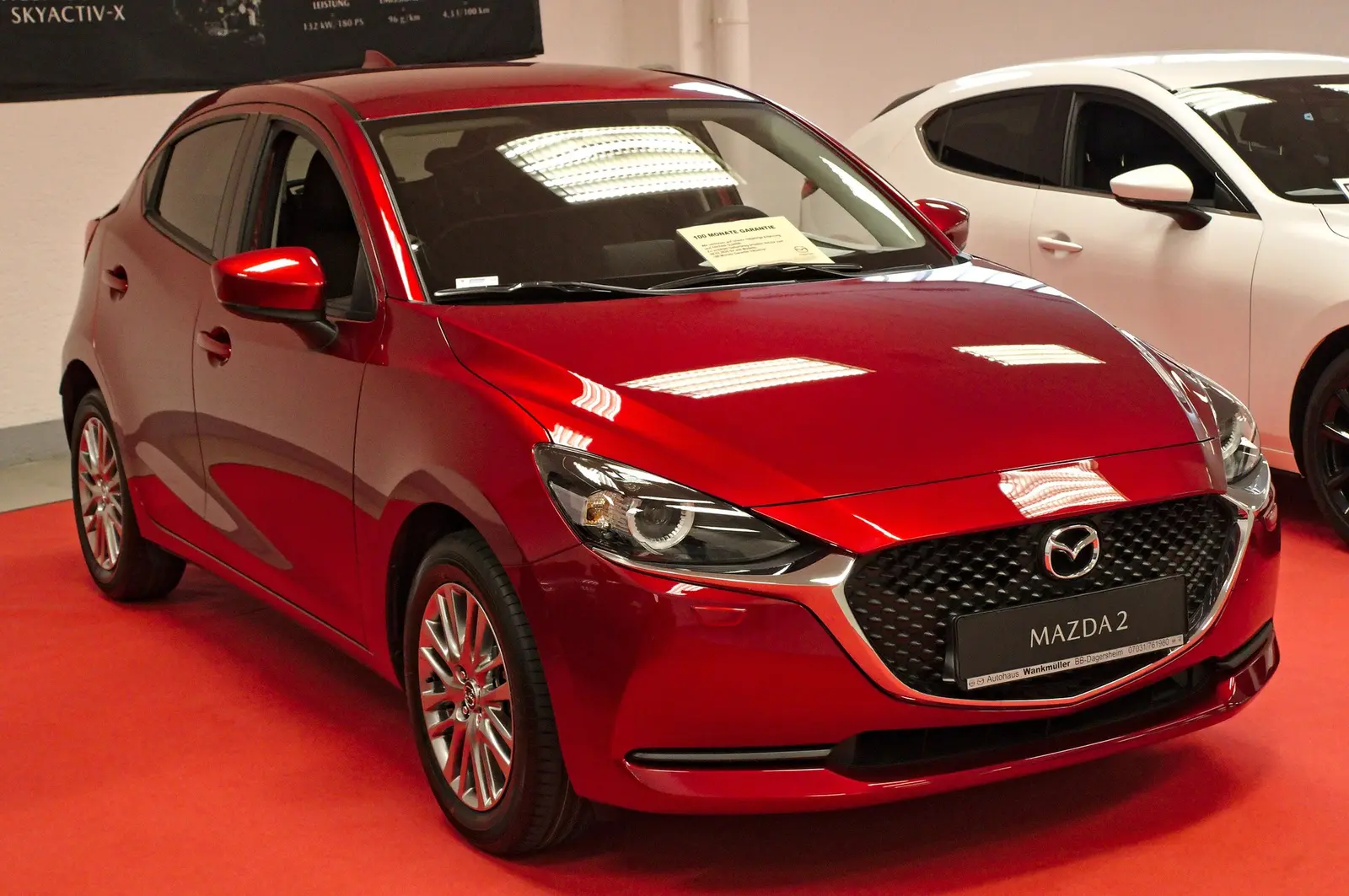
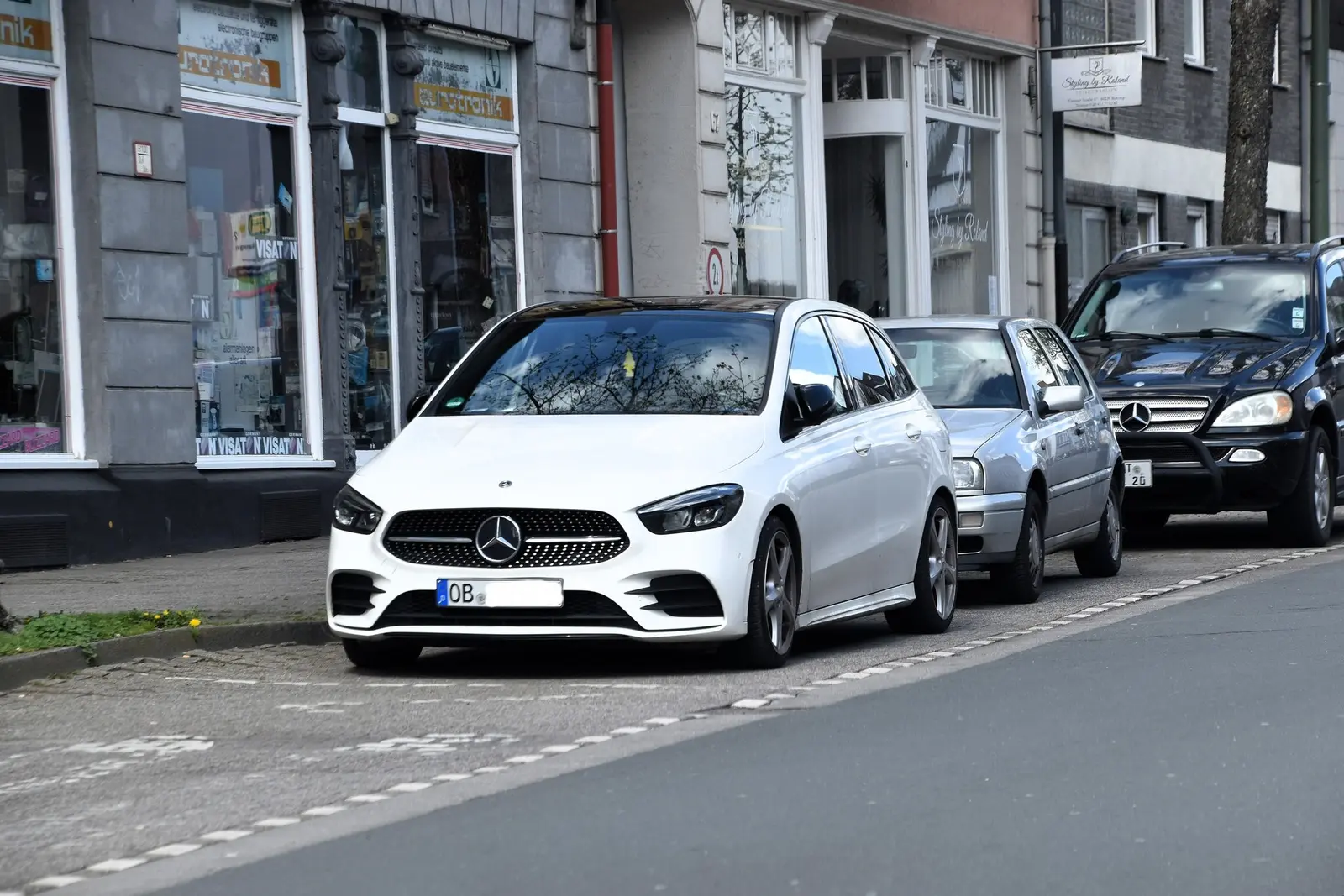
The overall winner is the Mazda 2. At the first inspection, i.e. at two to three years old, only 2.9% of cars had a major defect, with an average mileage of 29,000 km. Second place is shared by the Mercedes-Benz B-Class (3.0%, average 41,000 km) and the Volkswagen T-Roc (3.0%, 37,000 km). For used car buyers, however, the older groups matter more:
| Vehicle age | Best model | Major defect rate | Group average |
|---|---|---|---|
| 2–3 years | Mazda 2 | 2.9% | 6.5% |
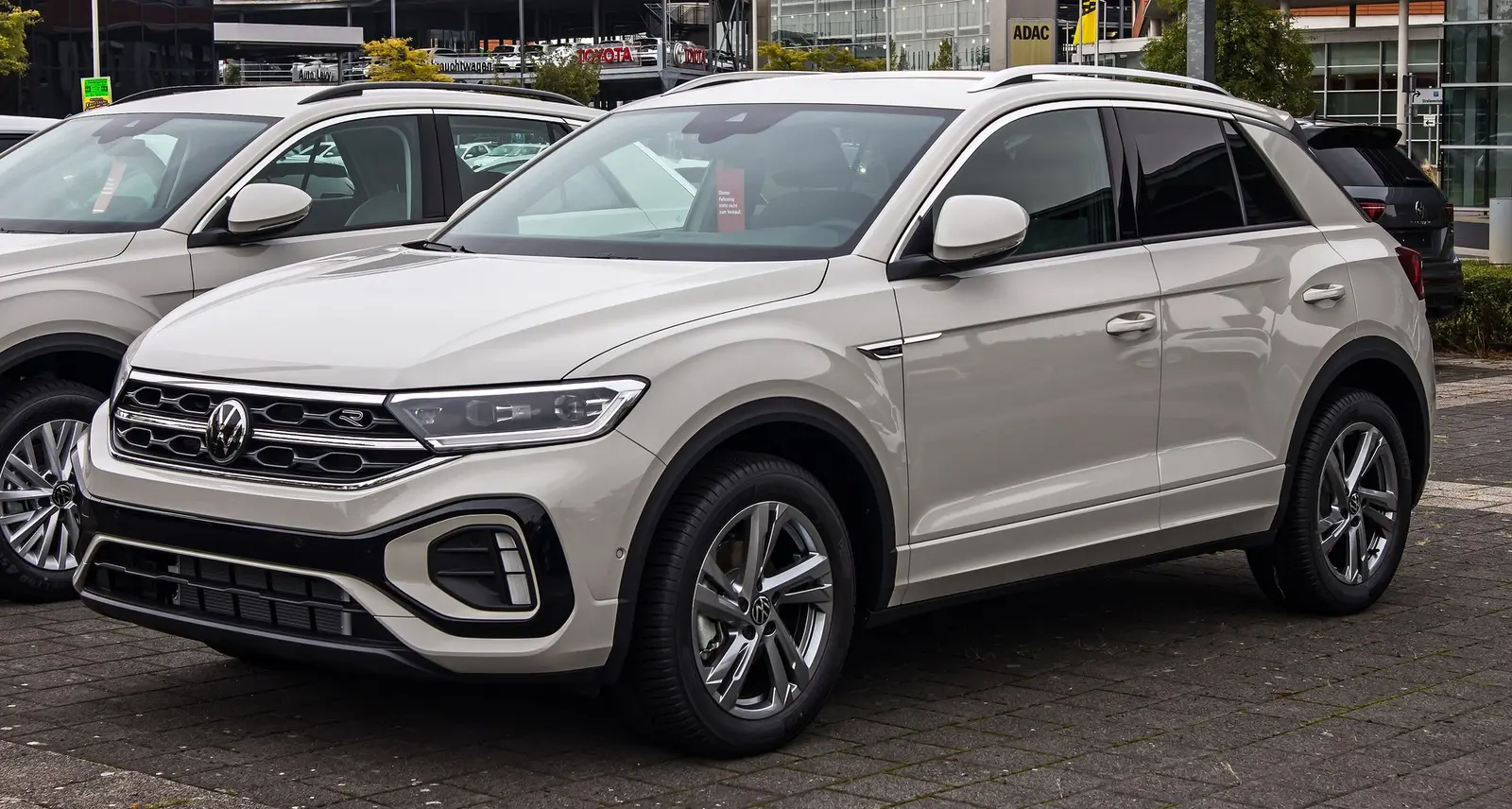
| 4–5 years | VW Golf Sportsvan and VW T-Roc | 4.0% | 10.0% |
| 6–7 years | VW T-Roc | 6.7% | 13.6% |
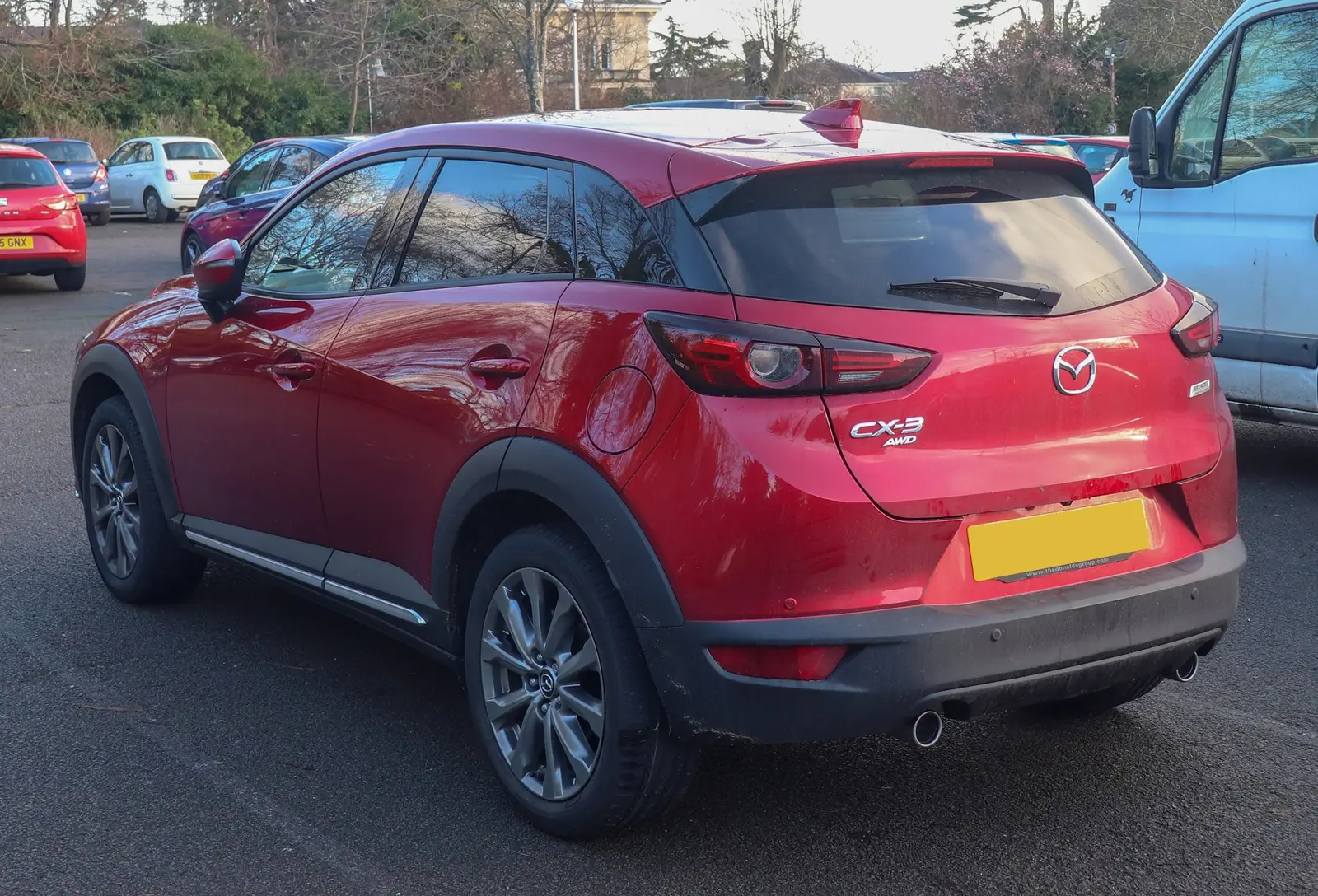
| 8–9 years | Mazda CX-3 | 9.7% | 18.3% |
| 10–11 years | Mercedes-Benz B-Class | 13.9% | 22.9% |
| 12–13 years | VW Touareg | 17.9% | 28.4% |
The table shows two things. The Volkswagen T-Roc is among the best in three consecutive age groups: at 2–3, 4–5 and 6–7 years. According to the TÜV SÜD tables, the Mercedes-Benz B-Class is in the top ten in all six age groups and comes second at 12–13 years with 19.0%. Mercedes also received a new award for long-term quality: for cars aged 10 to 11 years, its models in the report had an average of 18.5% major defects, Audi 19.2% and Toyota 22%.
A note on accuracy: the tables published by the individual TÜV organisations differ by a few tenths in some rows. For the VW Touareg at 12–13 years, for example, TÜV-Verband states 17.9%, while TÜV SÜD states 18.3%. We use the publisher’s values, i.e. those of TÜV-Verband.
Where inspectors found the most defects
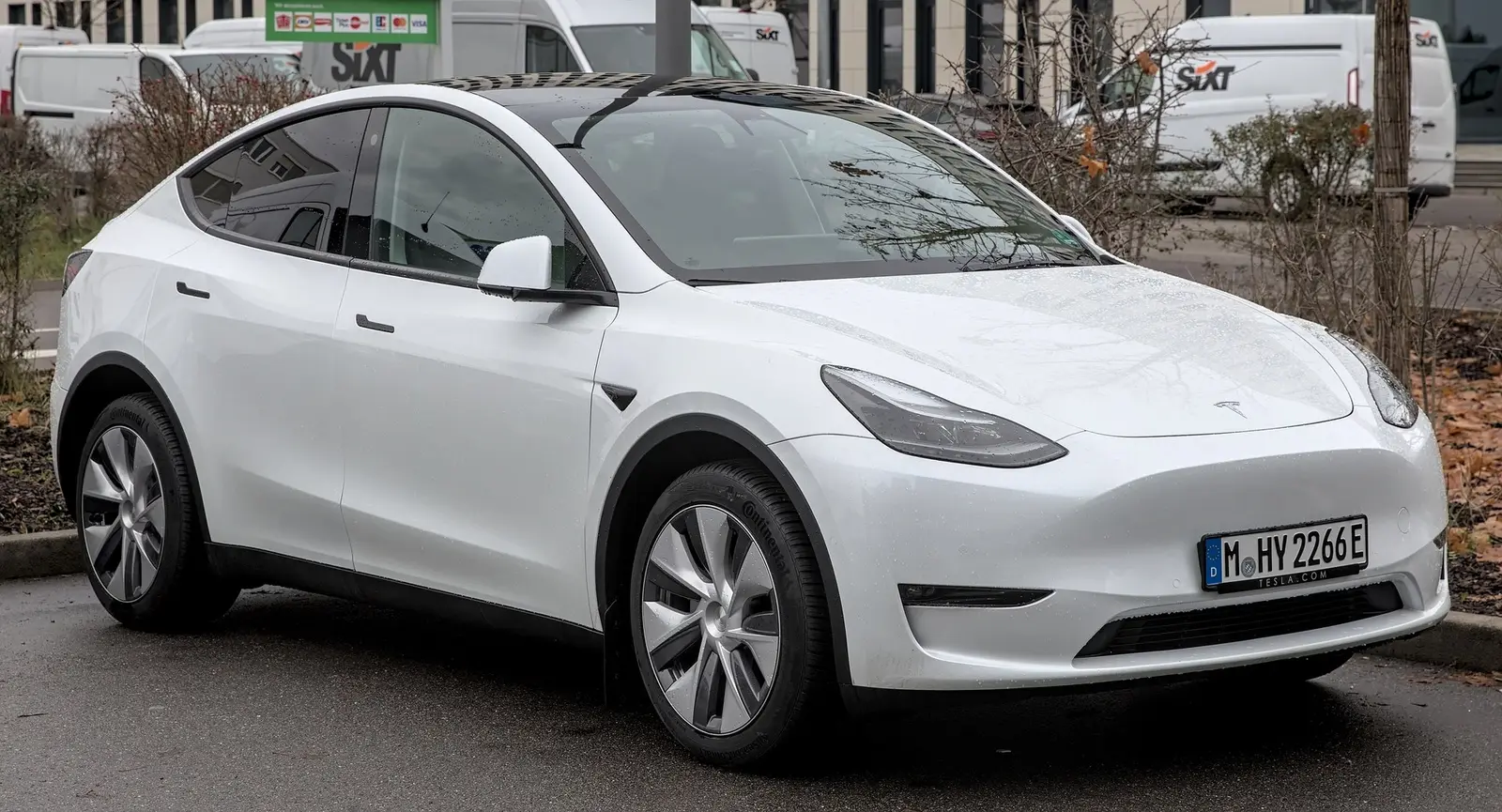
At the other end of the ranking, the same names keep appearing. In the 2–3-year group, the Tesla Model Y is last of the 110 models rated with 17.3%, which according to TÜV-Verband is the highest value in this age group in ten years. Second to last is the Ford Mondeo (14.3%) and third from last the Tesla Model 3 (13.1%).
| Vehicle age | Last-placed model | Major defect rate |
|---|---|---|
| 2–3 years | Tesla Model Y | 17.3% |
| 4–5 years | BMW 5/6 Series | 21.5% |
| 6–7 years | Dacia Duster | 23.5% |
| 8–9 years | BMW 5/6 Series | 29.9% |
| 10–11 years | Dacia Duster | 34.2% |
| 12–13 years | Renault Clio | 40.4% |
For the BMW 5/6 Series, the report points to the active bonnet for pedestrian protection, whose dampers must be replaced every five years, which is often not done. In addition, this model has an above-average number of defects on the propeller shafts, in the emissions test and partly also on the springs and shock absorbers. Among the oldest cars, the bottom of the table is dominated by Renault and Dacia models: ahead of the Renault Clio are the Renault Twingo (40.0%) and the Dacia Sandero (38.1%).
Defects increase with age for all brands. According to the report, almost one in four 11-year-old cars (22.9%) failed the inspection, and almost one in three 15-year-old cars (32.9%).
Electric cars: from Mini to Tesla
The 2026 edition is the first to include 18 electric models. The results vary widely. In the 2–3-year group, the best electric car is the Mini Cooper SE with 3.5%, which gives it sixth place in the overall ranking of this group. Close to the top ten are also the Audi Q4 e-tron (4.0%) and the Fiat 500e (4.2%), which won the smallest car class. The VW ID.3 has 5.5% and the ID.4/ID.5 6.1%. Further back are the Škoda Enyaq (9.1%) and the Dacia Spring (13.0%).
Both Teslas had above-average mileage at their first inspection, the Model 3 an average of 56,000 km and the Model Y 55,000 km. However, TÜV-Verband states that other cars with similar or even higher mileage performed significantly better. On the Model Y, inspectors most often found fault with the axle suspension, brake discs and lighting. According to TÜV-Verband, the heavy battery puts strain on the axle suspension, and regenerative braking means that the mechanical brakes are used little, which can damage the brake discs. It therefore recommends that electric car owners brake regularly and deliberately.
What this means for buyers across the EU
The TÜV Report is based solely on inspections in Germany. Nevertheless, it is also useful elsewhere in the European Union, because periodic roadworthiness testing is governed for all member states by Directive 2014/45/EU. It sets a minimum: a passenger car must be inspected no later than four years after its first registration and then at least every two years. Individual states may inspect more often. The directive also introduces three categories of defects used by all states: minor, major and dangerous. A car with a major or dangerous defect fails the inspection.
When reading the German figures, please keep these limitations in mind:
- A different fleet and different roads. Winter road salting, road quality and typical mileage differ between countries, so the same model may age differently elsewhere.
- Equipment and engines. The report rates the car type as a whole, not the specific engine or trim offered in your country.
- An inspection is not a list of breakdowns. The report counts defects found during the inspection, not engine or electronics failures or servicing costs.
- Maintenance is decisive. A neglected car of a “good” model may be worse than a well-maintained example of a model from the bottom of the table.
Verified data on how the same models would fare at inspections in other EU states are not in the report, and we did not find a Europe-wide comparable ranking by model in public sources. Please therefore treat the figures as a guide, not a guarantee.
How to use the TÜV Report when buying a used car
The report helps you most when you are comparing several models of the same age. If, for example, you are choosing between two six-year-old compact SUVs, the difference between 7% and 20% is a strong signal. However, always compare cars from the same age group and also look at the average mileage.
Then focus on the specific car. During the viewing, check the service history, the report from the last roadworthiness inspection and the condition of the parts the report lists as weak points, especially the brakes, axle suspension and lighting. You will find a useful step-by-step guide in our article Used SUV: what to check before buying. If you are still undecided about the powertrain, please also see the article Used car with diesel or petrol? How to decide.
Finally: the 2026 edition was published on 20 November 2025. We did not find the exact date of the next edition in official sources, but when it is published, the figures may change. It will then be worth checking whether the winners and losers have kept their places.
Key takeaways
- The TÜV Report 2026 is based on around 9.5 million roadworthiness inspections in Germany (July 2024 to June 2025) and rates 216 car types in six age groups.
- The overall winner is the Mazda 2 with 2.9% major defects at 2–3 years; last in this group is the Tesla Model Y with 17.3%.
- The VW T-Roc won the 6–7-year group (6.7%), the Mazda CX-3 the 8–9-year group (9.7%) and the Mercedes-Benz B-Class the 10–11-year group (13.9%).
- 21.5% of all cars failed the inspection and only 66.1% were free of defects, the lowest share in nine years.
- The report measures defects found during inspections in Germany; the common framework of Directive 2014/45/EU makes it comparable across the EU, but the vehicle fleet is not the same.
FAQ
- Do the TÜV Report results apply outside Germany?
- Only as a guide. The report is based solely on inspections at TÜV stations in Germany. Thanks to Directive 2014/45/EU, the defect categories are the same throughout the EU, but climate, roads, mileage and maintenance differ between countries.
- What does the major defect rate in the TÜV Report mean?
- It is the share of cars of a given model and age in which the inspector found at least one major or dangerous defect, so the car failed the inspection at the first attempt. A lower percentage is a better result.
- Which car won the TÜV Report 2026?
- The Mazda 2. At two to three years old, only 2.9% of cars had a major defect, with an average mileage of 29,000 km.
- How did electric cars perform?
- Very differently. The best was the Mini Cooper SE with 3.5% at 2–3 years, while last in this group was the Tesla Model Y with 17.3%. With electric cars, inspectors often found fault with the axle suspension and brake discs.
Gallery
Comments
No comments yet. Be the first.
Add a comment
Your comment appears once the editors approve it. We never publish your email.
Do you sell cars?
A website for your dealership with a stock list that syncs itself from the listing portals. In 8 languages, ready in minutes.
30 days free, no card


